FREQUENTLY ASKED QUESTIONS
Home Battery FAQs
Straight answers to the questions Scottish homeowners ask most about battery storage, backup power, tariffs, and installation.
Last updated: 28 October 2026 · Reviewed by the Scottish Energy Efficiency team
Do I need solar panels to benefit from a home battery?+
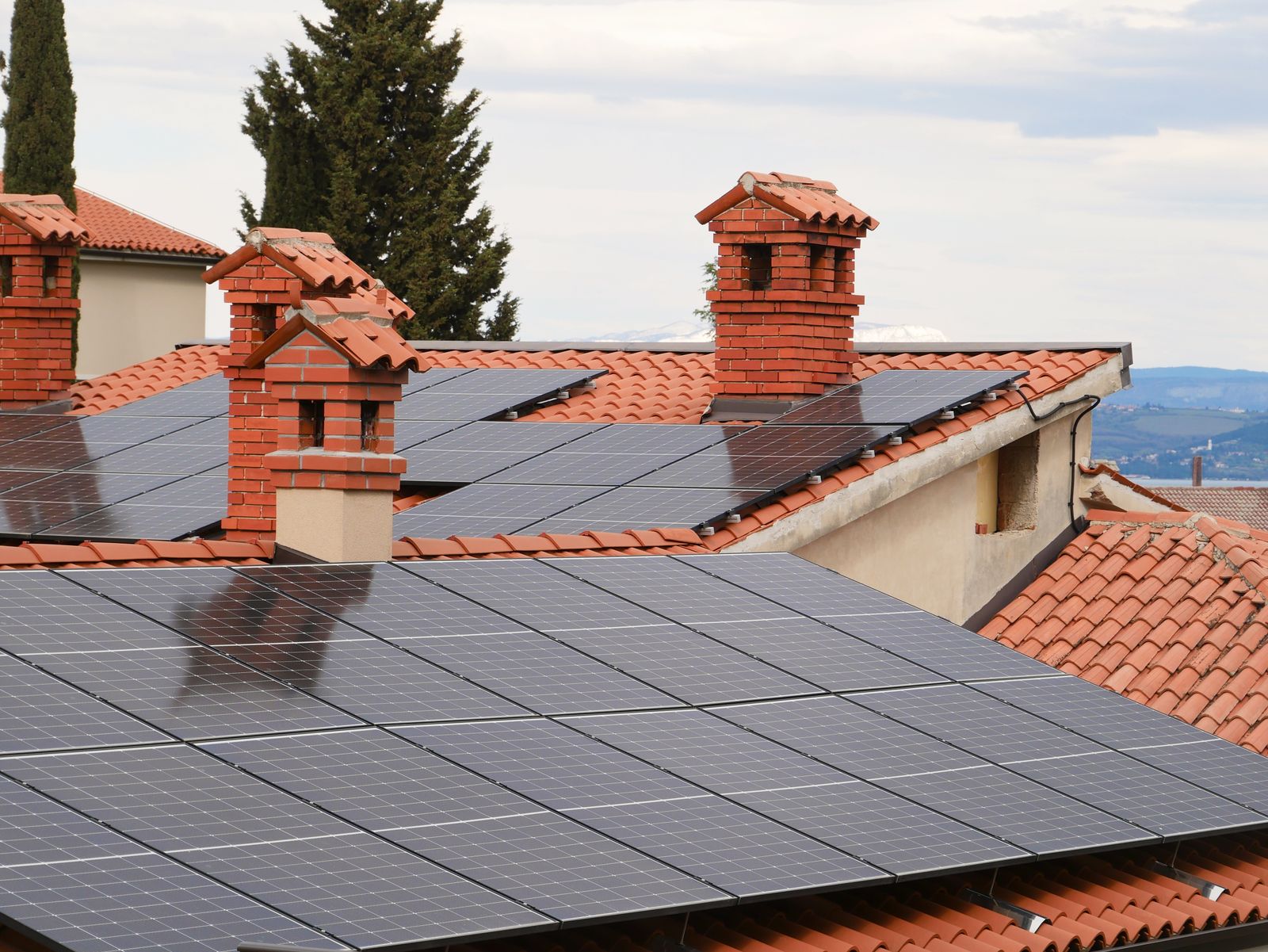
No. A battery alone can save money by charging from cheap overnight electricity on a time-of-use tariff and discharging during peak hours. Solar increases the benefit because you charge during the day. Many Scottish homeowners start with a battery and add solar later.
What size battery do I need for my Scottish home?+
It depends on your daily electricity usage and whether you have solar. A typical 3-bed Scottish home uses 8–12kWh per day. A 10–13.5kWh battery can cover your evening consumption. If you have solar, a larger battery stores more excess generation. A survey gives you an accurate recommendation.
How does Storm Watch work on Tesla Powerwall 3?+
Storm Watch monitors UK Met Office severe weather warnings. When a warning is issued for your postcode area, the battery automatically charges to 100% from the grid before the storm arrives. If power cuts during the storm, the battery switches to backup in under 20 milliseconds. This is unique to Tesla Powerwall.
Can a home battery power my whole house during a power cut?+
It depends on the battery and whether a backup gateway is installed. Tesla Powerwall 3 with Backup Gateway supports whole-home backup. Other batteries like Fox ESS and Duracell can provide backup to specific circuits. For full-house backup in Scottish island or rural areas, Powerwall 3 with Backup Gateway is the most capable option.
Which smart tariffs work with a home battery in Scotland?+
Octopus Intelligent Flux integrates directly with Tesla Powerwall 3 via API for fully automated charge and discharge optimisation. Other batteries like Fox ESS, Duracell, PylonTech and Sungrow work with time-of-use tariffs like Octopus Go or Agile, but require manual scheduling or third-party automation rather than direct API control.
Is 0% VAT still available on home batteries?+
Yes. All home battery installations in Scotland qualify for 0% VAT until March 2027. This is applied automatically by the installer — you do not need to apply or fill in any forms. After March 2027, the standard 20% VAT rate may apply unless the policy is extended.
What is the difference between AC-coupled and DC-coupled batteries?+
AC-coupled batteries (Fox ESS, Duracell) connect to your existing solar inverter and are easier to retrofit. DC-coupled batteries (PylonTech with GoodWe, Sungrow) connect before the inverter and can be more efficient for new installs. Tesla Powerwall 3 has an integrated DC inverter, making it a self-contained unit for new solar systems.
Can I add more battery capacity later?+
Modular batteries like PylonTech US5000 let you add 4.8kWh modules over time. Sungrow SBR is also modular. Tesla Powerwall 3 can be expanded with additional Powerwall units. Fox ESS and Duracell are typically single-unit installations. If you think you may want more storage later, a modular system gives you flexibility.
How long do home batteries last in Scottish winters?+
All major home batteries use LFP (Lithium Iron Phosphate) chemistry, which is cold-rated and performs well in Scottish winters. Cold weather temporarily reduces capacity slightly but does not degrade long-term lifespan. Most batteries carry a 10-year warranty and are designed for 3,000–6,000 charge cycles.
Do I need permission from my DNO to install a battery?+
Your installer must notify your Distribution Network Operator before installation. In northern Scotland that is SSEN; in central and southern Scotland it is SP Energy Networks. This is a notification, not a permission application. Your installer handles this as part of the installation process.
Is finance available for home batteries?+
Interest-free credit up to £30,000 is available, subject to status and affordability. Terms and conditions apply. Many homeowners choose to spread the cost rather than pay upfront. All home battery installations currently qualify for 0% VAT until March 2027, applied automatically by the installer.
Is Tesla Powerwall Compare an installer?+
Tesla Powerwall Compare is a trading name of Scot Energy Efficiency Ltd, company number 17408629, registered office 66 Paul Street, London EC2A 4NA. We provide independent side-by-side comparison of Tesla Powerwall 3 against Fox ESS, Duracell, PylonTech and Sungrow for Scottish homes. We install through MCS-certified partners. We are not affiliated with Tesla, Inc. or any battery manufacturer.
Ready for Your No-Obligation Comparison?
Get a personalised side-by-side battery comparison for your Scottish home. No obligation.